
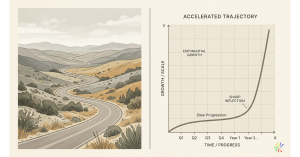
Mick here. And I want to talk about timelines.
When Jackie and I started this journey 18 months ago, I brought an engineer’s expectation with me: defined inputs, structured process, predictable output. You do the right things in the right order and the result arrives on schedule.
Online business does not work like that. And nobody warned me.
What follows is the honest, phase-by-phase account of what our journey has actually looked like — not the version you’d put on a sales page, the version you’d tell a friend who was genuinely thinking about starting.
Phase 1: Months 1–3 – Complete Disorientation

We were learning an entirely new language. Marketing funnels. Lead magnets. Email sequences. Affiliate commissions. Conversion rates. Open rates. Click-through rates. None of this existed in my engineering world. None of it existed in Jackie’s world of PA work and dog training.
We made mistakes. We signed up for tools we didn’t need. We posted content that got almost no engagement. We spent money in the wrong places. We kept going anyway — partly through stubbornness, partly because the mentors in the LaunchYou programme kept providing enough orientation to keep us moving forward even when progress wasn’t visible
Phase 2: Months 3–6 – First Glimmers
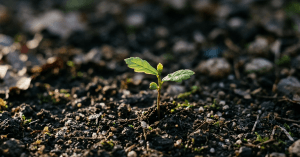
The language started to make sense. The structure of what we were building became clearer. Our first affiliate sales came through — small, but real. Real people, making real decisions, based on our honest recommendation. That mattered.
The list started growing. We began to understand the difference between content that actually resonates with people and content that we thought should resonate. These are very different things. The audience tells you which is which if you pay attention.
Phase 3: Months 6–12 – Slow, Real Progress
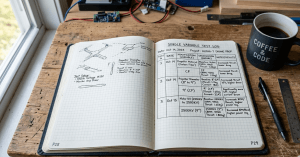
More consistent content. A better understanding of what the LaunchYou programme was teaching us and how to apply it in practice. A handful of product sales. Still losing money on paid advertising — but understanding more about why, which felt like genuine progress.
The engineering mindset proved useful here. In continuous improvement, you don’t expect immediate results from changes you make. You make one change, observe carefully, adjust. The mistake most people make in online business is changing everything simultaneously when something isn’t working and then learning nothing useful about which change made the difference.
The aloe vera business still wasn’t where we wanted it. But we could see more clearly what it needed — better marketing, more consistent audience building — and those were exactly the skills we were developing.
Phase 4: Months 12–18 – Where We Are Now
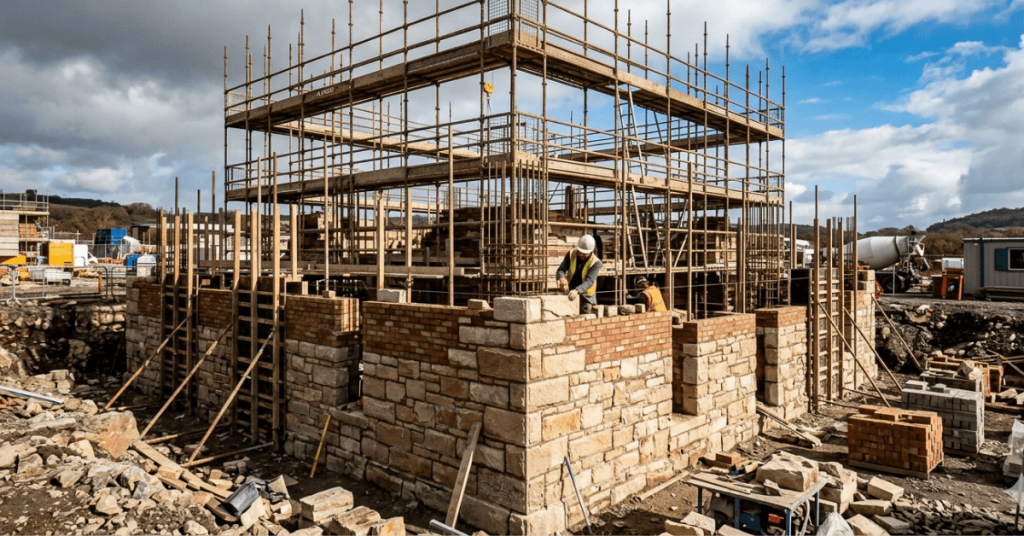
Growing. Not at the pace the impatient version of us that started this journey would have wanted. At the pace that’s realistic for two people building this properly, with the right foundations, without cutting corners.
The LinkedIn strategy for Mick’s engineering knowledge — root cause analysis, condition monitoring, continuous improvement resources — is in active development. Jackie’s dog training digital content is being properly planned. The foundations across everything we’re building are more solid than they look from the outside.
What the timeline actually tells you

The most important thing I’ve observed across 18 months of building this and across the wider online business education community where we see many people at different stages, is this:
The people who get to month 12 are almost entirely defined by whether they stayed in the room during months one to three, when nothing seems to be happening and everything feels uncertain.
Most people leave in month two. Which means most people never find out what month six looked like. Or month twelve.
As an engineer, I understand this intellectually. Compounding works slowly until it doesn’t. The results are non-linear. The effort is consistent and the results are delayed and then suddenly not.
But understanding it intellectually and living it are different experiences. We’re living it. And we’ll keep telling you honestly what it looks like at every stage.
If you’re considering starting
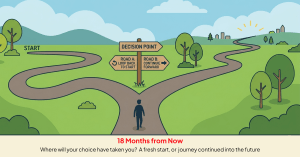
The best time to start building was 18 months ago. The second best time is now — because in 18 months, you’ll either look back at having built something real, or you’ll still be considering it.
We know which one we prefer.